Table of Content
At Bankrate we strive to help you make smarter financial decisions. While we adhere to stricteditorial integrity, this post may contain references to products from our partners. It’s a line of credit that allows you to withdraw funds on an as-needed basis, borrowing against the equity in your home.
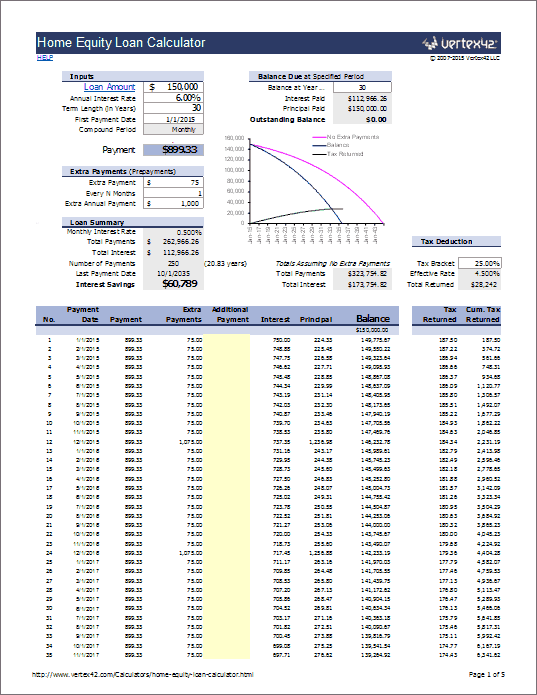
Some lenders offer lower rates if you let them auto draft your payments from your bank account. But you’re only catching a small break—you’ll still pay plenty of interest over the years. When you take out a home equity loan, you’re borrowing a large sum against your house under the condition that you’ll make payments every month until it is paid off. As part of the 2018 Tax Reform, interest on most home equity loans is no longer tax deductible.
Balance transfer credit card
Local real estate agents know the loan originators who do the best job for their clients. Finding the best home equity loan can save you thousands of dollars or more. Different lenders have different loan programs, and fee structures can vary dramatically. You can claim a tax deduction for the interest you pay if you use the loan to “buy, build, or substantially improve your home,” according to the IRS.
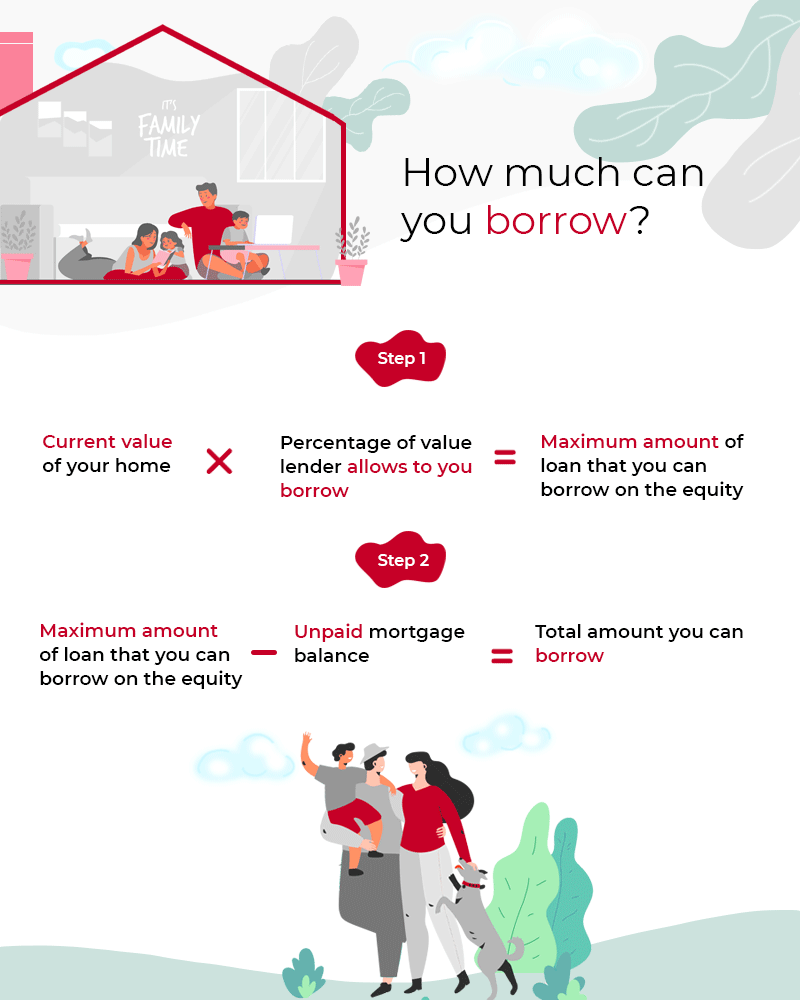
As interest rates rise, home equity loans are still a cheaper option than other forms of debt because they carry the risk of losing your home if you can’t keep up with payments. Make sure that what you’re taking out the home equity loan for is worth the risk. HELOCs also have variable interest rates, which means your monthly payments will go up and down depending on interest rate trends. With a typical mortgage, you make payments each month to pay back the loan. In a reverse mortgage, a lender pays you in a lump sum or on a monthly basis based on the equity in your home, and the balance isn’t due until you pass away or leave the home. Reverse mortgages are only open to seniors age 62 or older and are often used as a way to meet expenses in retirement.
Bottom line: Are home equity loans a good idea?
Investopedia requires writers to use primary sources to support their work. These include white papers, government data, original reporting, and interviews with industry experts. We also reference original research from other reputable publishers where appropriate.

Experts predict home equity loans and HELOCs to remain popular among homeowners despite rising interest rates. You can use a home equity loan for virtually anything, but not every potential use is financially wise. In many cases, people use home equity loans to pay for major home renovations, funding a child's education, or paying off high-interest debts. The lower your score, the higher your interest rate is likely to be.
How To Get a Home Equity Loan
In addition to Investopedia, she has written for Forbes Advisor, The Motley Fool, Credible, and Insider and is the managing editor of an economics journal. Many lenders prefer that your LTV ratio is 85% or less before you can qualify for a home equity loan, and many will only consider lending up to 80% of your current home equity. A home equity loan is a type of consumer debt, allowing homeowners to borrow money against the equity in their home. Other names for a home equity loan include equity loan, home equity installment loan or simply a second mortgage.
Home equity loans come with fixed interest rates, meaning you’ll make payments to cover both the principal and the interest in fixed installments over the lifetime of the loan. Keep in mind that lenders usually offer better rates to borrowers who opt for shorter terms. See our current mortgage rates, low down payment options, and jumbo mortgage loans.
Pros and Cons of Borrowing on Home Equity
If you’re using a home equity loan to “buy, build, or substantially improve” your property, the interest you pay may be tax deductible. This can have a big impact on the affordability of your home equity loan, so be sure to talk to your tax professional up front. Shop around and talk to at least two to three lenders about a home equity loan, and compare the overall cost for each loan to find the one that makes the most financial sense for you given today’s rates. Common home equity loan fees include an appraisal fee generally between $300 and $400, notary fees between $50 and $200, and title search fees of $100 or less. You’ll also pay a loan origination fee that’s a percentage of the total amount you’re borrowing. The loan-to-value ratio is a lending risk assessment ratio that financial institutions and other lenders examine before approving a mortgage.

If you miss payments or default on your loan, your lender has the power to repossess your property. Adjustable-rate mortgages, or ARMs, are home loans that come with a floating interest rate. To put it another way, the interest rate can change periodically throughout the life of the loan, unlike fixed-rate loans.
The front-end debt-to-income ratio calculates the proportion of a person's gross income that is going to housing costs. A Federal Housing Administration loan is a mortgage that is insured by the FHA and issued by a bank or other approved lender. One key difference between a home equity loan and a traditional mortgage is that the borrower takes out a home equity loan when they already own or have equity in the property.

As with a home equity loan, you'd need sufficient equity, but you'd only have one payment to worry about. The lender is approving you for payments you really can't afford—and you know you can't afford them. Remember, the lender gets to repossess your home if you can't make the payments, and you ultimately default. Be sure you can afford your monthly payments by first crunching the numbers. Apply with several lenders and compare their costs, including interest rates.
You need a revolving credit line to borrow from and pay down variable expenses. You live on a fixed income and need a set monthly payment that doesn’t fluctuate. HELOCs can be useful as a home improvement loan because they allow you the flexibility to borrow as much or as little as you need. If it turns out that you need more money, you can get it from your line of credit—assuming there’s still availability—without having to reapply for another mortgage loan. Home equity loans could lead to your house foreclosure if you can’t pay off the debt. However, it’s important to note that market changes could still leave you owing more than your house is worth in the end, so there’s always some amount of risk involved.


No comments:
Post a Comment